San Francisco has an AI hackathon almost every week. In April and May 2025, I made it a hackathon season: six events, three wins. The last one was first place out of 29 teams at the n8n AI Workflow Hackathon.
I didn't start out winning. Each event exposed one mistake, and I changed one thing before the next. By the end, the formula was simple: a team of two, a tool other teams can't easily use, and a live demo. I built the core, and a student partner led the story and the pitch.
- Digital Twins + Agent Coordination Hackathon (Apr 5 to 6): No placing, team of about 4. Car service workflow simulated with multiple agents.
- AI Video Understanding Hackathon, Susa Ventures (about Apr 11): The Best Real World Use, team of 4. LectureLens, semantic search inside lecture videos.
- World Wild Web & AI Hack Night, Cloudflare (Apr 22): No placing, team of 4. An idea my teammates had prepared.
- MCP and A2A Hackathon, AWS Edition (May 2): Vizcom: Visual Intelligence Award, team of 2. Prosthetic Design, style choices to a 3D prosthetic leg design.
- World's Biggest MCP Hackathon at YC (May 17): No placing, solo. Presentation Buddy, AI that runs OBS during a live stream.
- n8n AI Workflow Hackathon (May 31 to Jun 1): 1st of 29 teams, team of 2. Reflekt, meeting talk turned into Miro sticky notes.
The n8n final demo is in the event livestream, starting at 1:34:14.
What each event taught me
Digital Twins. I joined a team of about four on the spot. We spent too long choosing an idea. Everyone wrote code, but most of the team was new to building in one shared repository. The demo ran, but as separate pieces rather than one app. Lesson: keep the team small and settle the concept before the event. (Code)
Video understanding. My first time teaming with university students, and our first win. They presented far better than I could. I learned that my job on such a team is to make the thing work.
World Wild Web & AI Hack Night. An evening event of a few hours. I brought an idea I'd been working on the day before, a voice-controlled escape game, but the team chose one the students had prepared. Four of us split the development, and the pieces never came together. The pitch was strong enough to place. The build was not. Lesson: development needs one lead, and on my teams that should be me.
AWS Edition. Two people. I owned the core technology, and my teammate, a student, owned the story and the pitch. Vizcom generates 3D designs but has no public API, so we built an agent that drives it through a headless browser and called it like an API. That won Vizcom's award, and it was where I learned how to turn a tool with no API into one. (Code)
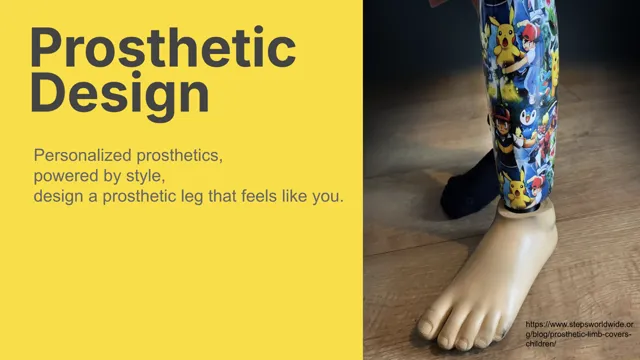 Prosthetic DesignDevpost project page
YC. I went alone to test whether the "little-known tool" approach would carry over. It didn't place. The winners told me something about the judges: YC favored developer tools. One winner had put AI in charge of legacy scientific software, which is close to my own approach. (Devpost, code)
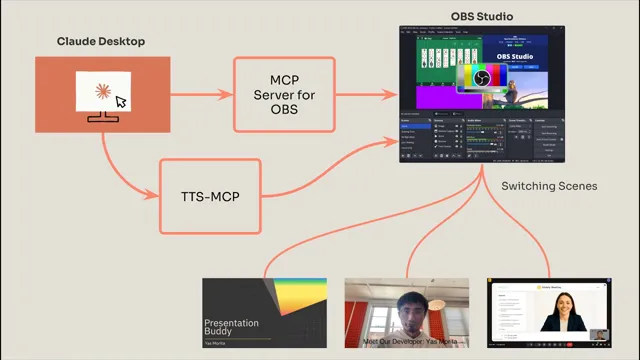 Presentation BuddyDemo video on YouTube
n8n. Everything together: a two-person team with a student partner, a tool few teams used, and a demo built to run live. n8n had no Miro node, only a Miro OAuth2 credential, so we called Miro's REST API from generic HTTP Request nodes to create sticky notes and connect related ones. People spoke, and the board filled in. First place.
What I'd do again
Team of two, concept decided in advance. My solo entry didn't place, and the improvised team of four lost hours to ideation. Both big wins came from pairs.
Own the build, and pair with someone who owns the pitch. For a Japanese engineer at a US hackathon, the bottleneck is the pitch, not the code. The students I worked with presented far better than I can: native English, calm when improvising answers to judges. They also shaped the solution story and wrote the Devpost submission. A pitch delivered by students lands well with judges, too. What did not work was splitting the development across four people.
Use what has no API. When everyone builds on the same sponsor APIs and LLM calls, the demos converge. Turning a closed or legacy tool into something AI can drive keeps you out of that crowd.
Choose sponsor prizes on purpose. San Francisco hackathons have many sponsors and generous prizes, and each sponsor's prize goes to a team that used its tool. Pick a tool with a large prize that few teams will touch. The Vizcom award ($1,500) and the n8n first prize ($2,500) came to $4,000 in cash for the team. The n8n prize also included a year of n8n Cloud Pro and API credits. Read past winners too, since each organizer has its own taste.
Show it running. A working app on screen beats a slide about what it would do. Keep the gap between input and result short.
Don't repackage your existing product. Judges ask what you built that day. If the honest answer is "one module," the polish works against you.
Teammates who became interns
Hackathons are also where I met people I wanted to keep working with. Three students I teamed with during the season later joined my startup as summer interns. By the time we talked about it, we had already built something together under a deadline.